
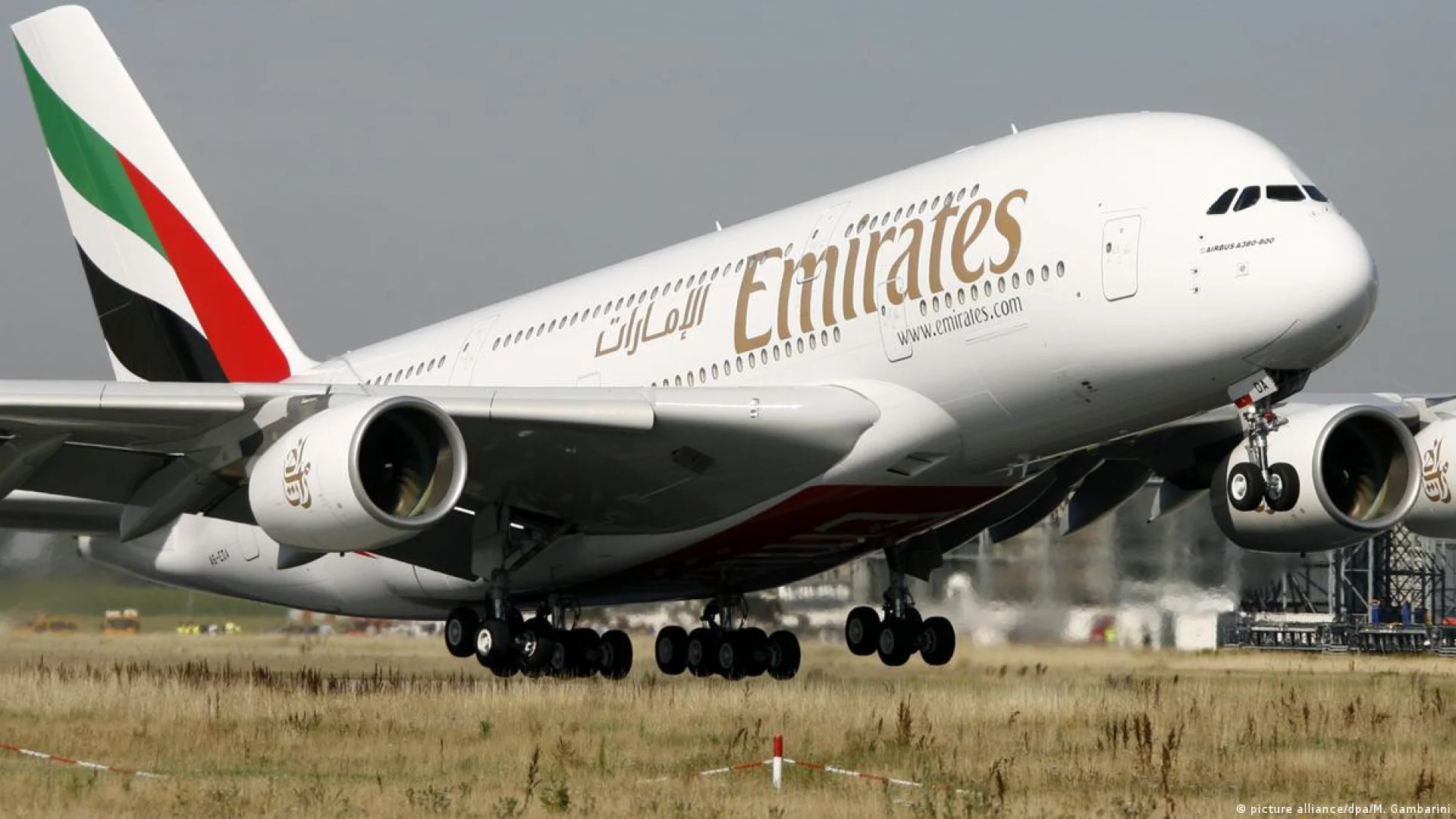

You can hear it before you see it: the rolling suitcases, the boarding calls, the soft rush of a terminal coming back to life. According to the latest figures cited in local reporting, the UAE has regained nearly 45% of its airport operating levels — a concrete step in the long climb back toward normal aviation activity. That percentage reflects more than passenger counts: it points to recovering flight operations, commercial revenues, and the return of the UAE’s role as a global connector. For Dubai and Abu Dhabi alike, the rebound ripples outward into hotels, retail, logistics, jobs, and property markets that thrive on movement.
The first sign is sound.
Not the roar of engines—those never truly disappeared—but the smaller noises you only notice when they’re gone. Wheels rattling over tiled floors. A scanner’s crisp beep at security. The murmur of people reading gate numbers out loud, like they’re checking a map to a future they finally trust again.
“So it’s really happening,” a man says into his phone, half-smiling, as a boarding announcement cuts through the air. Behind him, a family negotiates a sleepy toddler and a mountain of carry-ons. A woman in a blazer sips coffee fast, eyes fixed on her screen. The terminal doesn’t feel like a corridor anymore. It feels like a place.
That revived, restless energy is the human side of a statistic now drawing attention across aviation and finance: the UAE has recovered nearly 45% of its airport operating levels, according to the figures referenced in recent reporting. It’s a number with weight—because in a country built on connectivity, airports aren’t just infrastructure. They are economic heartbeat, brand statement, and global invitation rolled into one.
Airport recovery isn’t only about how many people pass through passport control. “Operating levels” speak to the machinery of day-to-day performance: flight movements, capacity utilization, staffing, and the commercial ecosystem that makes airports profitable—landing and passenger fees, yes, but also retail leases, food and beverage sales, lounge access, parking, and logistics services.
When the UAE edges back toward 45% on that operating measure, it signals something practical: activity has returned to a level where terminals can run with more consistency, airlines can plan with more confidence, and the commercial side of aviation—often the difference between survival and growth—begins to breathe again.
You see it in tiny snapshots. Duty-free shops that once looked like glossy galleries now have customers comparing fragrances. Cafés are no longer staffed for a trickle; they’re bracing for waves. Queue lines form—not chaotic, but alive. The airport is remembering its purpose.
Dubai and Abu Dhabi are not simply origin-and-destination airports. They’re hubs—global switchboards where journeys reroute and timelines compress. People land, connect, and keep moving. Cargo arrives, gets re-labeled, and departs again. A single long-haul flight can feed dozens of onward routes; a single schedule change can ripple through three continents.
That’s why any recovery, even partial, matters disproportionately here. When a hub recovers operating performance, it doesn’t just add passengers; it rebuilds network logic. Connections start to make sense again. Frequencies return. Timetables regain density. And once density returns, the economics of hubs—high throughput, strong commercial revenues, competitive route offerings—begin to reassemble.
Picture arrivals in the late afternoon, when the light outside turns honey-colored and the glass walls throw it back in soft reflections. The sliding doors open. A wave of warm air meets the chill of air-conditioning. A driver lifts a placard with a name printed in bold black letters. Two friends hug longer than the moment requires, as if making up for a lost year. A traveler pauses by the currency exchange, then decides against it—card taps are easier now, and the city outside feels familiar again.
Airports are emotional places even in ordinary times. In recovery, they become theaters. Every suitcase is a small declaration: we are moving again.
In the UAE, airport performance bleeds directly into the wider economy. As operating levels recover, the impacts arrive in layers:
There’s also a less measurable but powerful effect: confidence. A busy airport makes a city feel open for business. It reassures executives flying in for meetings, families planning holidays, and entrepreneurs scouting opportunities.
Operating recovery is the point where airport management can stop thinking only in terms of damage control and start thinking again in terms of optimization. Staffing levels become easier to schedule. Maintenance cycles return to normal. Commercial tenants can justify opening hours, promotions, even new store concepts. Contracts and concession agreements regain relevance because footfall is no longer theoretical.
Listen closely and you can hear the shift in staff conversations. “Two extra rotations next week,” someone says near a service corridor. “And the lounge was packed yesterday,” another replies. These are small sentences, but they’re the grammar of recovery.
Airlines follow performance indicators like hawks: route profitability, load factors, connection integrity. When a hub shows real operating improvement, carriers can justify restoring frequencies, reopening routes, or increasing aircraft size. Meanwhile, brands that treat airports as flagship retail environments—luxury, beauty, electronics—read the same signals through a different lens: traffic equals sales.
When an airport’s commercial heartbeat returns, retail negotiations return with it. Pop-ups reappear. New fit-outs become thinkable. A brighter terminal isn’t just aesthetics; it’s investment behavior.
For travelers, recovery feels like convenience: more flight options, more reliable schedules, more open services, less uncertainty. For investors, the same reality is translated into cashflow language: improving non-aeronautical revenues, stabilizing leases, renewed demand for airport-adjacent logistics, and stronger performance in sectors tied to mobility.
And in a hub-driven market, recovery can accelerate. Network effects are real: once enough routes return, connectivity improves sharply, making the hub more attractive, pulling in more passengers, which in turn supports even more routes. A 45% operating recovery can be a platform—not a ceiling.
For real estate investors, airport operating recovery is a high-quality leading indicator because it reveals demand formation early—often before it fully shows up in signed leases, rental growth, or transaction pricing. A rebound to nearly 45% in operating levels suggests the UAE’s mobility engine is switching back on, with immediate implications for the assets that live off movement.
Investor takeaway: The “nearly 45%” marker is less about being halfway back and more about entering a new phase where operational stability returns. That can tighten pricing for high-quality assets, particularly in logistics and hospitality, and increase competition for well-located mixed-use projects. Monitoring route announcements, flight frequency restoration, air cargo volumes, and hotel performance metrics (occupancy and ADR) can help investors time allocations and prioritize submarkets most directly leveraged to connectivity.